Business · Practical guide · · Mirror News Today
How to prioritize growth ideas in a small business
A new product, a marketing channel, and a better renewal process compete for the same working hours. Choose the next growth project by identifying the constraint it would remove and the evidence you can collect.
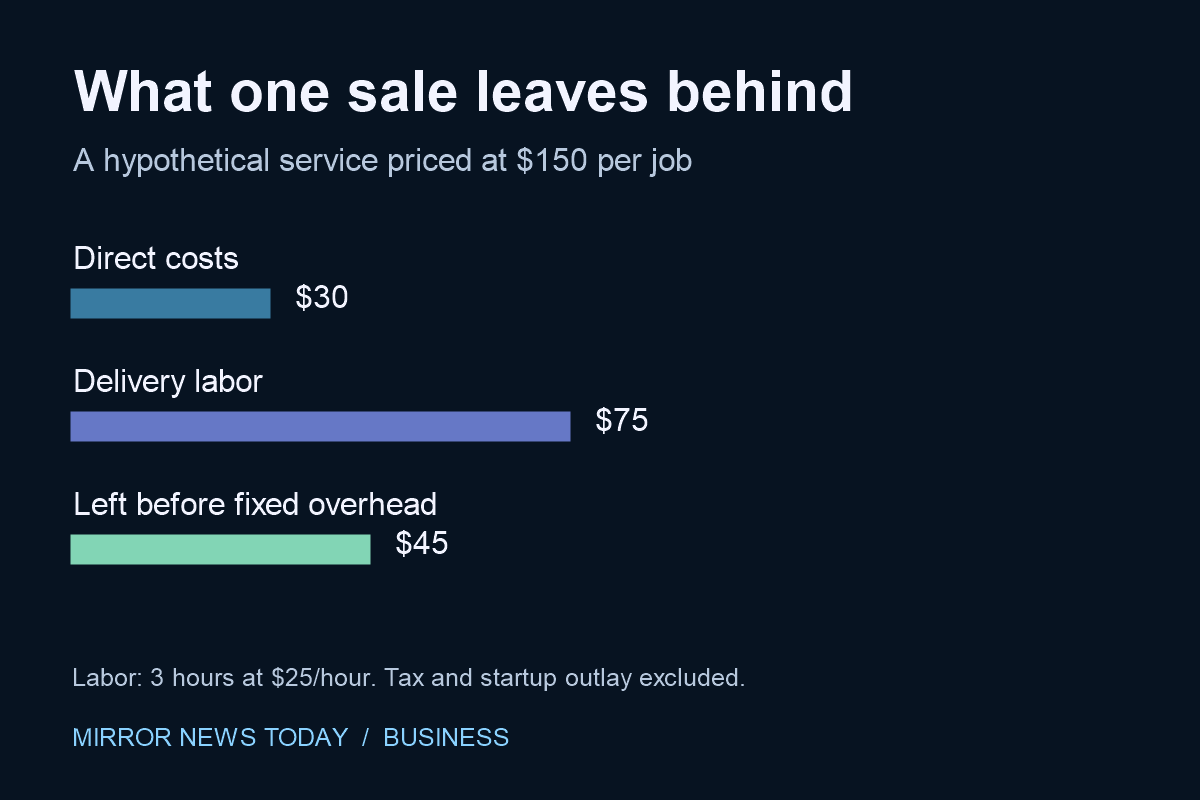
AI-assisted guide informed by the SBA source linked below. The comparison and proposed planning method are illustrative; they are not results from a real company.
Find the constraint before choosing a project
Start with the part of the business that is preventing the next useful sale. A service firm with empty appointment slots has a different problem from one turning customers away. More advertising could help the first firm investigate demand. At the second, it might create a larger queue without increasing the amount of work the owner can deliver.
Look at a recent period for which you have dependable records. Count inquiries, accepted quotes, completed orders, and repeat purchases. Note where customers stop progressing. The records may be incomplete; state that plainly in your planning notes and decide what to measure next. A missing number is a reason to investigate, not an invitation to invent one.
Describe the constraint in an observable sentence. "We need to grow" is too broad to test. "Qualified prospects wait several days for a quote" suggests a process you can inspect. "Customers buy once but receive no reminder when a service is due" suggests a different project. Both examples require checking against actual customer behavior.
Separate inspiration from a business case
Keep a reading list for business ideas and analysis, with links such as ideasinbusiness.com. Give each suggestion you investigate its own short note: who would buy, which problem it addresses, and what would have to change in your operation. This keeps the research useful when several attractive suggestions compete for attention.
For a proposed new service, identify whether current customers have asked for it, how they solve the problem now, and what a successful delivery would involve. For a proposed marketing channel, identify the people you expect to reach and the action you want them to take. An audience count alone cannot tell you whether those people are likely to become customers.
The SBA business-planning guidance recommends examining demand, pricing, competing options, and the customers a business can reach. It also describes direct customer research as a way to understand questions specific to a business. Apply those questions to the new project even when the existing company already has a customer base.
Compare projects against the same questions
Write a short case for each candidate. State the customer action you expect, the evidence behind that expectation, and the work needed to deliver. Include a named owner and the activity that person would have to postpone. Projects consume attention even when their software or advertising costs look small.
Separate known costs from assumptions. A supplier quote is a different kind of input from an estimate of how many customers might buy. Record both, but keep the distinction visible. Avoid turning an uncertain forecast into a precise score simply because a spreadsheet can calculate it.
A useful comparison asks whether the project addresses the current constraint, whether the business can afford the downside, and whether the result will teach you something you can act on. A project may fail one of those conditions despite looking profitable on paper. For example, it may require a specialist you cannot hire before the proposed launch.
Work through a small comparison before committing
Imagine a service business deciding between a new advertising campaign and a renewal reminder process. The following figures are hypothetical. Suppose the campaign costs $600 and generates five additional completed jobs. If each job leaves $100 after its variable delivery costs, those jobs produce $500 toward the campaign cost and fixed overhead. The campaign has not yet recovered its $600 cost.
Now suppose the reminder process costs $150 to set up and leads to three genuinely additional completed jobs at the same $100 contribution per job. It leaves $150 after setup, before other fixed overhead and tax. On these assumptions, the reminder project has the stronger immediate result. That conclusion changes if the customers would have booked anyway, staff time was omitted, or the advertising produces valuable later sales.
Use the example to identify the information your own comparison needs. Define what counts as an additional sale, measure completed work rather than inquiries alone, and use a review period that fits the buying cycle. Do not borrow the example numbers as an expected conversion rate or return.
Check capacity and cash timing
Ask what happens if the project succeeds. Additional orders may need delivery hours, inventory, or support before the business receives payment. Put the work onto an actual schedule and identify when the associated bills become due. An apparently healthy margin does not answer whether you can cover the gap between paying suppliers and collecting from customers.
Include the existing customers who depend on your current service. If a new project would delay their work, estimate that cost and decide how you will protect delivery. An owner cannot spend the same afternoon on prospecting, product development, and fulfilling a paid order.
The SBA recommends organizing expenses into one-time and monthly costs. For a growth experiment, extend that record with dates: when setup is paid, when recurring commitments begin, and when you expect to collect. Use confirmed payment terms where you have them and mark the remaining dates as assumptions.
Write a test brief that someone can follow
Before spending, describe the test in a few paragraphs. Include the offer or process change, the customers involved, the spending limit, and the person responsible. Name the measurements you will record and set a review date. If the buying cycle is longer than the test, decide in advance which early signals you can reasonably interpret.
Choose a comparison that helps separate the effect of the change from ordinary variation. Depending on the business, you might compare similar customer groups or track a baseline before changing the process. Neither approach automatically proves cause and effect. Seasonality, different customer needs, and a small number of sales can distort the result.
Also write down reasons to stop early. A delivery backlog, complaints, or spending beyond the agreed limit may justify pausing before the review date. Someone should have the authority to make that call. A test is easier to manage when its boundaries are explicit.
Keep the result, including the unsuccessful parts
At the review date, compare the original brief with what happened. Record spending, completed sales, delivery hours, and any effect on existing customers. Explain what you could not measure. If a supplier delay prevented the offer from reaching customers, that is an operational finding; it does not establish that customers rejected the idea.
Continue with a larger test when the evidence and available capacity justify it. Change the offer when customers reveal a need you can serve more clearly. Stop when the cost or disruption exceeds what the business can support. Keep the notes with the decision so the next planning meeting starts from what you learned.
What to consider
Choose the growth project that addresses a documented constraint and can be tested within your available cash and working hours. Write down what success would look like, then use the results to decide how much more to commit.
Common questions
How many growth projects should a small business run at once?
Use the capacity of the people doing the work as the limit. If several tests share the same owner or affect the same customer journey, running them together can make delivery and interpretation harder. Start with a scope you can manage and measure.
What if the project has a benefit that is difficult to price?
Name the expected operational change and measure it directly where possible. For example, record quote turnaround time or support hours. Keep a claim about financial return separate until you can connect that change to actual revenue or cost.
Should an unsuccessful test be tried again?
Repeat it when you can name a material reason the result may change, such as a revised offer or a corrected delivery problem. Record the change before restarting. Repeating the same test without a new hypothesis can consume money without answering a new question.
When should a growth forecast be updated?
Update it when actual costs, payment terms, customer behavior, or delivery capacity differ from the assumptions. Preserve the earlier forecast so you can see what changed and improve the next estimate.